Working out a person's cholesterol ratio is important because it can help a doctor determine a person's risk of heart disease. Doctors calculate an individual's cholesterol ratio by dividing their total cholesterol by their high-density lipoprotein level. The optimal ratio is between 3.5 and 1. A higher ratio increases the risk of heart disease.
Good cholesterol ratio vs. bad cholesterol ratio
Total cholesterol levels are made up of three different types of cholesterol.
High-density lipoprotein, or HDL, is considered "good" cholesterol. It makes up 20-30 percent of a person's total cholesterol level.
Low-density lipoprotein, or LDL, is considered "bad" cholesterol and makes up 60-70 percent of the total in the body.
Finally, very-low-density lipoprotein (VLDL) is a precursor to LDL and makes up about 10-15 percent of a person's total cholesterol.
These percentages matter because when increases or decreases occur, they can affect the chances of a person developing heart disease.
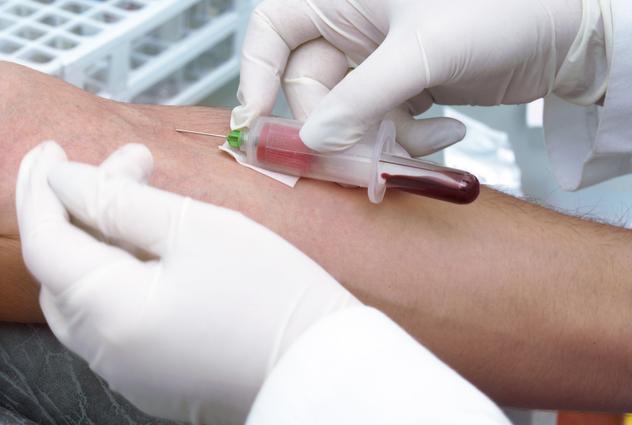
When a person has a test that shows a high total cholesterol level, it may be because LDL cholesterol levels have climbed. A doctor can determine the different levels of cholesterol by focusing on HDL, LDL, and VLDL separately, in a blood test.
A good cholesterol ratio shows that the body is working properly and is healthy. It signals that someone is in good health and is probably taking care of themselves.
The Framingham Heart Study states that the following cholesterol ratios roughly signal different degrees of heart disease risk:
Men
5.0 = average risk
3.4 = half the average risk
9.6 = twice the average risk
Women
4.4 = average risk
3.3 = half the average risk
7.0 = twice the average risk
While men and women have the same blood test, their average HDL, LDL, and VLDL levels are typically different. For example, in the case of menopausal women, it is usual for them to have an increased LDL.
This does not mean that women are unaffected by bad cholesterol ratios. It simply means women have shown to be less susceptible to bad cholesterol ratios.
Women should have a recommended HDL level of 50, while a man's recommended HDL level is 40.
How does cholesterol affect the body?
Having the correct cholesterol levels helps to maintain the right levels of vitamin D and hormones in the body, and aids digestion.
Cholesterol is found in foods such as meat, poultry, and full-fat dairy products. People who eat animal products may have more cholesterol in their bodies at any given time than those who don't.
The liver will also increase cholesterol levels when a diet is high in fat and trans fats. Having an increased amount of LDL cholesterol, caused by trans and saturated fats, increases the risk for heart disease and diabetes.
LDL cholesterol coats arteries and causes a buildup of a substance called plaque on their walls. This leads to a condition known as atherosclerosis, which is a form of heart disease.
Both the body and heart are affected when this happens. The condition slows down the blood flow to the heart muscle and can block blood from even getting to the heart. This increases a person's risk of a heart attack.
Tips for managing cholesterol levels
Cholesterol ratios, good or bad, can be maintained or altered. If a person has a cholesterol ratio that suggests a high level of LDL, there are ways to lower this level of bad cholesterol.
Some of those ways include:
Diet: Foods that are high in saturated fat, trans fat, and carbohydrates raise cholesterol levels, so eating less of these types of foods will help manage and reduce it.
Weight: Many risks are associated with being overweight or obese, including increased cholesterol levels. Keeping a healthy weight helps all factors of health as well as reducing the risk of heart disease.
Exercise: Being active for at least 30 minutes per day raises the heart rate, helps with keeping a healthy weight, and reduces LDL cholesterol levels while increasing HDL cholesterol levels.
Steven Cavellier shared this information on his website.
Source: http://www.medicalnewstoday.com/articles/316586.php?nfid=116332